You Are Enough for Early Literacy
As parents, we all want the best for our children.
We want them to grow into curious, confident learners with a love for books and a strong foundation in literacy. But between busy schedules, screens, and endless to-dos, it’s easy to wonder: Am I doing enough?

The good news?
You already have everything you need to nurture your child’s early literacy—your time, your voice, and a whole lot of play.
Why Early Literacy Begins at Birth
Babies and toddlers start building literacy long before they say their first word. From infancy, their brains are busy making connections — processing sounds, recognizing familiar words, and learning the rhythms of language. Simple moments like singing, chatting, and pointing out letters in everyday life are powerful building blocks for literacy.
By age 5, a child’s brain is already 90% developed, meaning these early interactions shape how they will learn for years to come. And the best part? You don’t need fancy digital apps or expensive tools - reading, talking, and playing together is more than enough.
The Power of Play in Learning
As Mr. Rogers said, “Play is the work of childhood.” When kids play, they are experimenting, solving problems, trying new words, laughing, and exploring — all foundational skills for literacy growth. Researchers have long said that play is not just fun but a critical way children learn language, logic, and so much more.
In our world of screens and devices, play can feel threatened — but it’s more important than ever. Conversations, movement, and interactive play help build vocal skills and brain connections that screens simply can’t replicate.

Yet today, screens are competing with these critical learning moments. Studies show that excessive screen time in early childhood is linked to language delays and fewer back-and-forth conversations with caregivers. One study even found that for every minute of screen time, toddlers miss out on 1,139 adult words—a huge loss in early learning!

The takeaway?
Just 10-15 minutes of engaged interaction a day can make a lasting impact. And one of the best ways to make those moments happen is through picture books.
Some playful ideas for you:
- Hide a few books and go on a book hunt!
- Act out the characters in your favorite book.
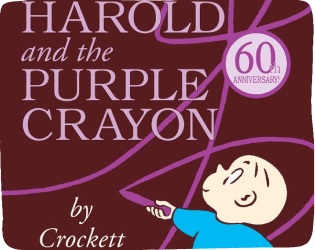
- Draw a new ending for your book.
- Put on some music inspired by your book & have a dance party!
Fun Fact: Picture Books Are Essential

Picture books aren’t just for bedtime — they are powerful tools that shape the way children understand language, stories, and even emotions. Here’s how they help:
-
Build Vocabulary & Phonics Skills – Books introduce words and sounds in ways everyday conversations don’t, helping children recognize patterns, rhymes, and letter‑sound connections.
-
Develop Story Sense – Following the beginning, middle, and end of a story lays the groundwork for comprehension later on.
-
Encourage Empathy & Expression – Well‑crafted stories help children navigate feelings and see different perspectives.
-
Support Parent‑Child Bonding – Snuggling up with a book fosters connection and joyful learning.
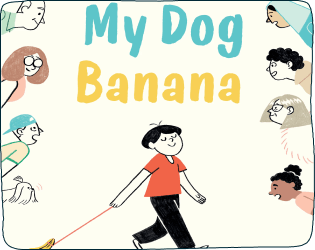
And remember: Your child is never too old for picture books, and neither are you!

Simple Ways to Bring Books to Life Through Play
The best way to make books even more magical? Pair them with play. Instead of just reading a story, help it come alive.
✨ Next time you read together, try asking: What would you do if you were in this story? or, Can you draw or build a scene from the book?
✨ Wordless picture books? Let your child tell the story in their own words. They might surprise you with new versions each time!
✨ Bilingual books? Amazing! Even if English isn’t your first language, reading together shows kids that learning takes effort — and it’s worth it.
Read and Play More with Us
At L•M•N•O•Play!, we believe that books + play = magic. Whether it’s a cozy read or a playful extension of a story through movement or art, every moment matters.
Keep reading, keep playing, and keep showing up — not because you need perfect tools or solutions, but because your presence itself builds literacy and connection.
Your Partners in Play,